Angel N1 removals tips for flats above shops
Posted on 08/05/2026
Moving out of a flat above a shop in Angel can be a very different job from a standard home move. The stairs may be narrow, the entrance awkward, parking tight, and there's usually a real person's business downstairs trying to keep trading while you shift sofas past the front door. That's the reality. And if you're looking for Angel N1 removals tips for flats above shops, you probably want the practical version, not the polished brochure version.
This guide walks you through what actually helps: how to plan the access, protect the building, choose the right removal method, and avoid the kind of last-minute problems that make moving day feel chaotic. We'll also cover when to book professional help, what to prepare before the van arrives, and why tight-access moves in Angel often go better when they're treated like a small project, not just a big lift-and-load.
To be fair, most problems with flats above shops are predictable. The good news? That means they can usually be prevented.
Why Angel N1 removals tips for flats above shops Matters
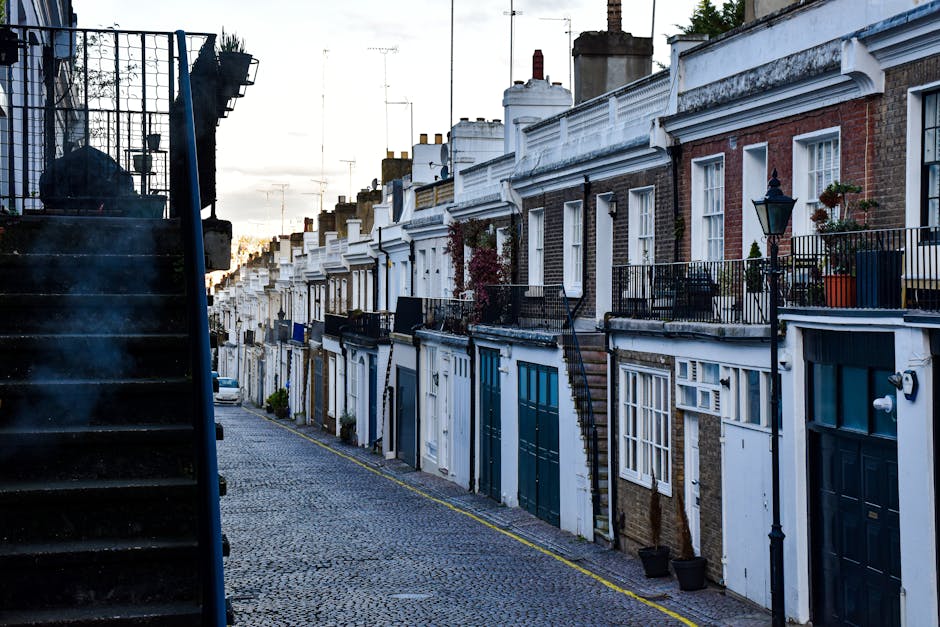
Angel has a lot going for it: busy streets, great transport links, lively high streets, and a mix of older buildings with character. The same things that make the area attractive also make removals trickier. Flats above shops are often squeezed into historic or heavily used buildings, and that affects almost every part of a move.
The entrance may be shared with a business, the stairwell may be steep, and the timing may need to work around deliveries, customers, or opening hours. Some buildings have front access only, some have rear access that looks better than it is, and some have no clear stopping point for a van. If you do not plan for that properly, a move that should have been straightforward can quickly become slow and stressful.
This is why local knowledge matters. A good move in Angel N1 is rarely about brute force. It's about sequence, timing, packing style, and making sure everyone knows what happens first, second, and third. When that's done well, the day feels calmer. Less foot traffic, fewer near-misses, fewer "sorry, can you just move that box again?" moments.
For people moving within Islington, it often helps to think about the move in the same practical way you might approach any tight-access property. Our guide to tight-access removals on Upper Street is useful background if your building sits on a busy stretch or near a narrow roadway.
Key point: flats above shops are not difficult because they are impossible. They're difficult because they punish poor planning. That's a very different thing.
How Angel N1 removals tips for flats above shops Works
At a simple level, the process is the same as any home move: assess the property, pack up belongings, move items safely to the vehicle, transport them, and unload at the destination. The difference lies in the access and the logistics around the building.
For a flat above a shop, the moving path often looks like this: flat door, staircase, shared entrance, pavement, parking space, removal van. Every one of those points can create friction. A narrow staircase can slow bulky items. A busy pavement can make it hard to keep a clear route. A commercial tenant below may need their entrance kept usable. And if parking is distant, the whole move can drag on longer than expected.
The best removal plan usually starts with a walkthrough, even if it's just done remotely using photos or a video call. That helps identify the awkward bits before moving day. You want to know where the sofa will turn, whether a wardrobe needs dismantling, and whether the washing machine is going to take a 180-degree pivot at the top of the stairs. Small details. Big impact.
In many cases, people moving from above-shops flats benefit from a compact vehicle or a flexible service that can adapt to street conditions. If you are comparing support options, pages like man and van in Islington and removal services in Islington are useful starting points for understanding what level of help matches the property.
Key Benefits and Practical Advantages
Getting the planning right brings real advantages. It saves time, reduces damage risk, and often cuts down on the number of stressful decisions you need to make on the day. That's not just convenient; it can make the whole move feel more manageable.
- Faster loading and unloading: clear access and pre-packed items reduce delays on narrow staircases.
- Lower damage risk: better packing and protected walkways mean fewer knocks to walls, bannisters, and furniture.
- Less disruption to neighbours and shop tenants: a tidy, timed move is simply easier on everyone.
- Better vehicle choice: the right van size prevents wasted trips or parking headaches.
- More accurate quotes: when the access is described properly, pricing tends to be more realistic.
There is also a quieter benefit that people often overlook: confidence. When you know the awkward sofa has been measured, the boxes are labelled, and the van is booked with access in mind, you stop worrying about the hundred small unknowns. And honestly, that peace of mind counts for a lot on moving day.
If your move includes bulky or fragile pieces, it can also make sense to review specialist support. The same planning mindset used for furniture removals in Islington and even piano removals in Islington applies to tricky flat-above-shop layouts: measure carefully, protect well, and don't guess where a piece will fit.
Who This Is For and When It Makes Sense
This advice is most useful if you are moving from, or into, a flat above a shop in Angel N1 and any of the following sound familiar:
- the staircase is narrow or steep
- there's limited room outside for a van to wait
- you share the building with a retail unit or cafe
- your belongings include bulky furniture, mirrors, or fragile items
- you want the move done in a single day without drama
- you're juggling work, children, or a fixed completion time
It also makes sense if you're a tenant who needs a careful, cost-conscious move, or a homeowner staging a sale and trying to keep everything neat for viewings. Angel has a lot of rented and saleable flat stock, so the same building type may appear in different life stages. One week it's a student move, the next it's a couple upsizing, and sometimes it's a landlord clearing out a property between tenancies. Life in London keeps things interesting, doesn't it?
For more area-specific context, the article on living in Islington gives a useful feel for how local housing and everyday routines shape moving decisions. If you're leaving a property you're selling, selling homes in Islington may also help you think about timing and presentation.
Step-by-Step Guidance
Here's the practical version. Keep it simple, but be thorough. A move above shops rewards preparation more than enthusiasm.
1. Measure everything that matters
Start with the largest items first: sofa, bed base, mattress, wardrobes, dining table, fridge, washing machine. Measure the item itself, then measure the narrowest point in the route out: door frames, stair turns, and the building entrance. If a piece needs dismantling, say that now rather than on moving day while everyone stands around with a screwdriver.
2. Check the access from street to flat
Look at where the van can stop, whether there are loading restrictions, and how far it is from the vehicle to your front door. In Angel, a short-looking walk can become a long one if there are pedestrians, bikes, delivery vehicles, or school traffic in the mix. A few extra metres matter when you're carrying a bookcase.
3. Speak to the shop below
If the flat sits above an operating business, it's worth giving them a heads-up. That simple courtesy can prevent irritation and make it easier to coordinate access. If the shop opens early, closes late, or has regular delivery times, you may need to work around that. A polite conversation can save a lot of awkwardness later.
4. Pack for stairs, not just boxes
Use smaller boxes for books and heavy items. Keep medium-weight boxes stackable. Overfilled boxes are the enemy of staircase moves; they're awkward to carry and more likely to split at the worst moment. Label boxes clearly by room and priority, not just by contents. For example: "Kitchen - first night" is more useful than "misc".
5. Protect the route
Use floor coverings, door protectors, and blankets where needed. Hallways in older mixed-use buildings can show marks easily, and it's much nicer to avoid tension than to clean up after it. If you're using professional help, ask what protection they provide as standard.
6. Book the right vehicle and crew size
For a flat above shops, a smaller and more manoeuvrable van may be better than a large one, especially if parking space is limited. But if your move includes lots of furniture or a long loading route, a bigger vehicle with a well-planned load order may still be the smarter choice. The trick is matching the van to the street, not just the volume of items.
7. Keep essentials separate
Have a bag or box for keys, chargers, documents, tea bags, toiletries, medication, and a change of clothes. The first night in a new place always feels better when you can find the kettle without opening 14 boxes. Small win, but a real one.
If you need boxes, wrapping materials, or protective supplies, the packing and boxes service in Islington is a sensible place to look for ideas on how to prep properly before the van arrives.
Expert Tips for Better Results
These are the details that tend to separate a smooth move from a slightly frazzled one. Nothing glamorous. Just the kind of practical know-how that matters when the stairwell feels narrower than it did during the viewing.
- Schedule the move earlier in the day if possible. Streets are often calmer before the afternoon rush.
- Use colour-coded labels for rooms. It speeds up unloading and reduces guesswork.
- Take photographs of complicated furniture before dismantling it. Future-you will be grateful.
- Keep a tool kit handy with Allen keys, tape, scissors, and a small torch.
- Don't overload plastic bags with loose items. They rip. Every time, eventually.
- Reserve a little buffer time for awkward turns or last-minute decisions.
One useful habit is to walk the route carrying nothing first. Just stand at the building entrance, look up the stairs, then look back at the van space and think through the journey item by item. Sounds obvious, but it helps. The body remembers routes better than paperwork does.
For broader service context, you can also review the services overview and house removals in Islington if you're deciding whether your move is best handled as a full-service job or a lighter, more flexible arrangement.

Common Mistakes to Avoid
Some mistakes happen because people are rushing. Others happen because the move looks simple from the outside. Flats above shops are good at hiding their difficulty until the day arrives.
- Assuming the staircase is fine because it looked "okay" in photos. Photos rarely show how awkward the turn is with a mattress in your hands.
- Leaving parking until the last minute. In a busy area, this can derail the schedule quickly.
- Packing heavy items into large boxes. That is how backs get grumpy.
- Not warning the building occupants. Shops, neighbours, and managing agents appreciate notice.
- Forgetting disassembly tools. People often remember the shelves and forget the screwdriver.
- Booking a van that is too large for the street. Bigger is not always better in Angel.
Another common issue is underestimating how long it takes to move one room's worth of furniture down a narrow stairwell. It may seem fine for the first two items, then suddenly there's a corner, a bannister, and a sofa that seems to have opinions. That's normal. Just plan for it.
Tools, Resources and Recommendations
You do not need every gadget known to moving man. But a few good tools make a real difference.
| Tool or Resource | What it helps with | Why it matters in flats above shops |
|---|---|---|
| Measuring tape | Doorways, furniture, stair turns | Prevents avoidable "it won't fit" surprises |
| Furniture blankets | Protecting corners and finishes | Useful on tight staircases and shared entrances |
| Strong tape and labels | Box security and room sorting | Keeps loading and unloading organised |
| Basic tool kit | Dismantling beds and furniture | Often needed for larger items and awkward access |
| Loading plan or inventory | Deciding what goes first | Helps avoid bottlenecks at the van and stairwell |
If you're comparing vehicles or smaller-scale help, look at removal van options in Islington, man with van services in Islington, and man with a van support. These pages can help you judge what level of service feels appropriate for a compact, access-sensitive move.
For broader planning and budgeting, the pricing and quotes page is useful when you want a clearer sense of how access, distance, and item volume can affect the final cost.
Law, Compliance, Standards, or Best Practice
For most home moves, the practical concern is not legal complexity so much as safe working practice and common-sense building etiquette. Still, there are a few things worth keeping in mind.
If you're moving items in a shared building, you should take care not to block emergency exits, damage communal areas, or create avoidable hazards in stairwells and entrances. If parking restrictions apply, they need to be respected. If a landlord, freeholder, or managing agent has move-in or move-out instructions, follow them. It may seem like extra admin, but it protects everyone involved.
Professional removal companies also tend to work within internal safety procedures, insurance expectations, and normal UK standards for manual handling and transport safety. If you're comparing providers, it's reasonable to ask how they protect furniture, how they manage difficult access, and what happens if something is damaged or delayed. Clear answers matter.
For more background on how a reputable provider approaches risk, the pages on insurance and safety, health and safety policy, and terms and conditions are useful trust signals. They give you a better sense of what professional standards look like in practice.
Good best practice is simple: keep walkways clear, communicate early, lift safely, and make sure the move does not disrupt neighbours more than necessary.
Options, Methods, or Comparison Table
There isn't one perfect way to move from a flat above a shop. The right method depends on how much you own, how awkward the access is, and how much help you want on the day.
| Method | Best for | Pros | Trade-offs |
|---|---|---|---|
| DIY move with hired van | Small loads and confident movers | Lower upfront cost, flexible timing | More lifting, more time, more risk if access is tight |
| Man and van | Studio or one-bed flats with mixed access | Flexible, often well suited to awkward streets | May need more packing work from you |
| Full removals service | Larger homes or complex furniture | More support, better for heavy or bulky items | Usually costs more, requires a fuller booking process |
| Storage-first move | Staged moves, gaps between dates | Reduces pressure if dates do not align | Extra handling and storage fees may apply |
For many flats above shops in Angel, a flexible local service is the sweet spot. Not too much, not too little. If your move includes a time gap between leaving one place and entering the next, storage in Islington can keep the process calmer and prevent rushed decision-making.
And if you're a student or moving on a tighter budget, you may also want to look at student removals in Islington as a useful comparison point for lighter, simpler moves.
Case Study or Real-World Example
Picture a realistic Angel move. A one-bedroom flat above a small independent shop on a busy street. The tenant has a sofa, bed, desk, dining table, and about thirty boxes. Nothing outrageous. But the stairwell is narrow, the front door opens into a shared entrance, and the van can only stop for a limited time without causing a fuss.
Instead of trying to do everything at once, the move is planned in stages. First, the boxes are carried down and stacked safely near the van. Then the bed is dismantled while the rest of the furniture is wrapped. The sofa is moved last because it's the widest item and needs the clearest route. The shop below gets a quick heads-up, the loading point is confirmed, and the building entrance is kept clear throughout.
The result? No frantic scrambling, fewer trips up and down the stairs, and no one standing in the doorway wondering where to put the next item. It's not dramatic. That's the point. The best moves often look a bit boring from the outside.
On a similar note, local moves in busy parts of Islington tend to go better when people understand the rhythm of the street. If you want a broader local perspective, removal companies in Islington can help you compare approaches and decide what feels most suitable for your kind of property.
Practical Checklist
Use this checklist in the last few days before moving day. It keeps the little things from turning into big delays.
- Measure large furniture and the narrowest access points
- Confirm van parking and loading space
- Let the shop below know the move date and rough timing
- Pack heavy items into smaller boxes
- Label boxes by room and priority
- Protect floors, corners, and bannisters
- Disassemble bulky furniture in advance where possible
- Keep tools, tape, and scissors close at hand
- Prepare an essentials bag for the first night
- Check your booking details, access notes, and contact numbers
Quick expert summary: the smoother your move above shops feels, the more it usually comes down to preparation, communication, and realistic expectations. That's the honest formula.
Get a free quote today and see how much you can save.
Conclusion
Moving from a flat above a shop in Angel N1 doesn't have to be stressful. It just needs a slightly more careful approach than a standard flat move. Measure the awkward bits, plan for access, pack in a way that suits stairs, and choose a service that understands tight urban properties. Simple really. Not always easy, but simple.
If you get the basics right, the whole day becomes more predictable. The van arrives, the route is clear, the boxes are labelled, and the move unfolds without the usual urban chaos. That's the goal. Not perfection. Just a calm, safe, well-run move that gets you through the day with your furniture and your sanity intact.
And once the kettle's on in the new place, the hard part starts to feel like a memory already.