Upper Street Islington removals guide for tight access moves
Posted on 30/04/2026
If you are moving on or near Upper Street, you probably already know the awkward part is not the sofa, the boxes, or even the stairs. It is the access. Narrow frontages, busy traffic, tight stairwells, limited loading space, and the usual Islington mix of period conversions and upper-floor flats can turn a simple move into a bit of a puzzle. This Upper Street Islington removals guide for tight access moves is here to help you plan properly, avoid avoidable stress, and make the day feel far more manageable.
Truth be told, most moving problems in this part of Islington are predictable. That is good news, because predictable problems can be prepared for. With the right vehicle, the right timing, and a sensible approach to packing and access checks, even a cramped move can run smoothly. Below you will find practical advice, local considerations, comparison points, a real-world example, and a checklist you can actually use, not just skim past.

Why Upper Street Islington removals guide for tight access moves Matters
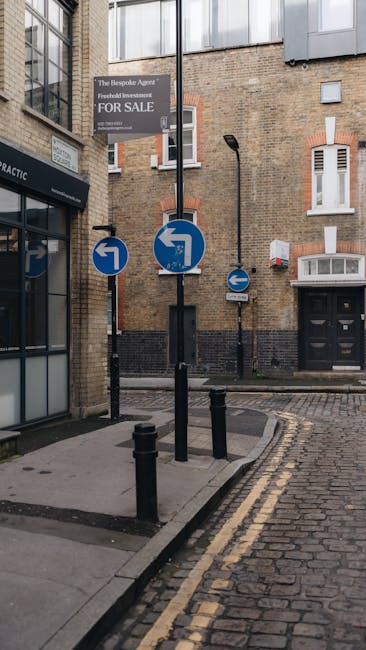
Upper Street is one of those London roads where the energy is great, but the logistics can be a bit unforgiving. Busy pavements, delivery traffic, residents coming and going, and a constant stream of buses mean that moving day has to be planned with some care. Add in narrow hallways, basement flats, top-floor walk-ups, shared entrances, and limited parking, and you can see why tight-access removals need a more thoughtful approach than a standard house move.
This matters because a move that looks straightforward on paper can unravel fast if access is ignored. A removal van may not be able to park directly outside. A corner sofa might not clear a turn in the stairwell. The lift may be tiny, or unavailable. Even a few extra minutes carrying items from the van to the door can affect timing, labour, and the overall mood of the day. Nobody wants to be standing on the pavement at 8:15 on a damp London morning thinking, we should have checked that earlier.
For people searching for local guidance, this topic sits right at the intersection of planning, practicality, and local knowledge. It also connects naturally with broader support such as removal services in Islington, especially if you need help with access-heavy properties, and with specialist support like flat removals in Islington for upper-floor or split-level homes.
How Upper Street Islington removals guide for tight access moves Works
At its simplest, a tight-access move works by reducing uncertainty before the van arrives. That means you assess the property, understand the access route, choose the right vehicle and crew size, and pack in a way that makes carrying safer and faster. Sounds obvious, but in practice people often skip one of those steps and pay for it on the day.
A good move plan usually begins with a walkthrough of both properties. Look at door widths, stair turns, floor levels, lift size, parking options, and whether any furniture will need partial dismantling. If you are moving out of a flat above a shop on Upper Street, for example, the route from door to van may involve a steep internal staircase, a shared corridor, and a short but busy carry to the road. That is enough to change the entire moving plan.
There is also a timing element. In a crowded Islington street, the time of day can make a real difference. A morning slot may be easier for loading, while mid-afternoon can mean more congestion and more competition for stopping space. This is where local experience helps. It is not just about moving boxes. It is about moving them at the right time, with the right setup, and without making the whole street hate you by 9 a.m. Tiny detail, but it matters.
If storage is part of the equation, perhaps because access is awkward or the new place is not ready, it may be worth looking at storage options in Islington. That can buy you breathing room and reduce pressure when the schedule is tight.
Key Benefits and Practical Advantages
Planning a tight-access move properly is not just about avoiding problems. It can also make the day cheaper, safer, and less chaotic. A lot of people think the benefit is simply convenience. It is more than that.
- Less physical strain: Shorter, clearer carry routes reduce the risk of damage to furniture and injury to people.
- Better timing: A well-planned route and vehicle choice can keep the move on schedule, even on a busy road.
- Lower damage risk: Fewer tight turns, less rushing, and properly packed items mean fewer scrapes and knocks.
- Improved cost control: When access is understood early, the estimate is usually more realistic and there are fewer surprises.
- Less neighbour friction: Clear communication and sensible timing help keep shared hallways and pavements calmer.
For many customers, the biggest advantage is simply confidence. Once you know the route, the van size, and the awkward bits, the move starts to feel doable. That shift in mindset is underrated. A move that felt like a nightmare on Monday can feel perfectly manageable by Friday afternoon once the plan is sorted.
If you are comparing service types, it can help to review man and van services in Islington alongside more complete house removals support. For some tight-access jobs, the lighter, more flexible option is the better fit; for others, a fuller crew makes more sense.
Who This Is For and When It Makes Sense
This guide is especially useful if you live or work in a property where access is limited or awkward. That could mean a second- or third-floor flat, a townhouse with narrow stairs, a building with a tiny lift, or a home where parking is controlled and stopping space is tight. Upper Street and the surrounding Islington area have plenty of properties like that. Lovely homes, yes. Easy to move from? Not always.
You will likely benefit most from this approach if you are:
- moving from a flat above a shop or restaurant
- dealing with a basement or top-floor property
- moving a heavy item like a piano, wardrobe, or large sofa
- working to a strict handover or tenancy deadline
- moving during a busy weekday when parking is limited
- coordinating a short-notice or same-day move
Students, renters, and first-time buyers tend to encounter this kind of move most often, but landlords, sellers, and small businesses deal with it too. If you are relocating from a compact city flat, the advice in student removals in Islington can be especially relevant. And for people preparing a sale or purchase, the local property context in selling homes in Islington and smart Islington property buying advice can be useful background.
Not every move needs a specialist plan, to be fair. But if you find yourself saying, "there's no way a normal van can just pull up outside," then yes, this is for you.
Step-by-Step Guidance
Here is the practical version. Not the glamorous version. The one that helps.
1. Measure the access properly
Start with the obvious things and then check the annoying ones. Measure stair widths, door openings, hallway bends, lift dimensions, and any tight corners between the property and the road. Don't forget radiators, banisters, low ceilings, and awkward porch steps. Those are the bits people remember too late.
2. Check vehicle access and parking
Ask where the van can legally and safely stop. On Upper Street, that might mean a loading bay, a side road, or a short stop outside if conditions allow. If there is no direct stopping space, factor in the carry distance. A few extra metres is one thing. Several flights of stairs and a long pavement carry is something else entirely.
3. Decide what needs dismantling
Large beds, wardrobes, tables, and some sofas are easier to move if partially dismantled. The goal is not just to make them smaller. It is to make them safer to carry and less likely to catch on corners. Keep screws, fixtures, and small parts in clearly labelled bags. Simple, but endlessly useful.
4. Pack by load order, not by room alone
When access is tight, the order of loading matters. Put the easiest-to-carry and most fragile items where they can be reached quickly. If the van is going to be packed in stages, think about weight distribution and what needs to come out first at the destination. This is one of those details that saves time later.
5. Protect the routes inside the property
Use door guards, floor coverings, and decent wrapping for furniture edges. Narrow halls are where the damage happens. The scratch on the stair wall that nobody noticed at the time? That sort of thing. Prevent it before it starts.
6. Plan the final handover and arrival window
If you are moving between flats, timing can be everything. Build in a little margin for traffic, waiting, and handover delays. London rarely runs to the minute, despite everyone pretending it should. A calm ten-minute buffer can save a lot of pressure.
Expert Tips for Better Results
There are a few things experienced movers keep in mind on jobs like this, and they are not complicated. They are just easy to overlook when you are busy, stressed, and surrounded by boxes.
- Use smaller cartons for heavy items. Big boxes filled with books become awkward very quickly. Your back will notice.
- Label with destination and priority. "Kitchen first" or "bed frame second floor" is much more helpful than a vague room name.
- Keep essentials separate. Kettle, phone charger, documents, medication, keys, and toiletries should travel with you.
- Take photos of tricky furniture. Before dismantling, a quick photo helps during reassembly. Very old-school, very effective.
- Confirm who is helping on the day. If friends are carrying, make sure they know the route and the timing. Guesswork is not a plan.
A useful local insight: properties around Upper Street can combine commercial noise, residential restrictions, and compact layouts in the same address. That means your plan should be based on the actual building, not just the postcode. Two flats on the same street can have completely different access issues.
If you need help choosing the right type of move support, the broader overview on services available in Islington is a sensible starting point. And if you are moving furniture that needs extra care, furniture removals can be a better fit than a generic one-size-fits-all approach.

Common Mistakes to Avoid
Most tight-access problems are not dramatic failures. They are small mistakes that stack up. One missed measurement, one wrong parking assumption, one overfilled box, and suddenly the morning is harder than it needed to be.
- Assuming the van can park outside. On busy roads, that assumption can collapse in minutes.
- Ignoring internal dimensions. A sofa that fits through the front door may still fail at the stair landing.
- Packing too much into large boxes. Heavy, bulky boxes slow everything down and increase the chance of injury.
- Leaving dismantling until moving morning. By then, you are already on the clock.
- Not warning neighbours or building management. Shared access often needs a little courtesy and coordination.
- Forgetting to plan for rain. It is London. Need we say more?
One small but common issue: people underestimate how tiring repeated stair carries become. The first two trips feel fine. By the sixth, everything slows down. That is why the right crew size matters more than people think.
Tools, Resources and Recommendations
You do not need a warehouse full of gear, but a few practical tools can make a tight-access move noticeably easier.
| Tool or Resource | Why it helps | Best used for |
|---|---|---|
| Furniture blankets | Reduce scuffs and edge damage during narrow carries | Sofas, tables, wardrobes |
| Ratchet straps | Keep items stable in the van | Long journeys and stacked loads |
| Dolly or sack barrow | Helps with heavier items where stairs are not involved | Ground-floor moves, loading bays, short carries |
| Wardrobe boxes | Useful for clothes that need to stay clean and organised | City moves with limited unpacking time |
| Clear labelling tape | Makes room sorting quicker at the other end | Any move with multiple floors or rooms |
For packing support, a dedicated page like packing and boxes in Islington can help if you want to get organised before moving day. For vehicle choice, it is also worth reading about the difference between a removal van in Islington and lighter, more flexible services such as man with van support.
Sometimes the most useful resource is the one you ignore too late. A tape measure, a roll of film wrap, and a decent notepad can save a surprising amount of grief.
Law, Compliance, Standards, or Best Practice
For removals, the main compliance concerns are usually practical rather than dramatic. You need to think about parking rules, access permissions, building rules, and safety. If a move involves loading in a restricted bay or on a busy street, always follow local parking restrictions and check what is allowed before you assume anything. That part is on the organiser.
It is also best practice to make sure lifting is done safely. Professional teams should use sensible manual handling methods, protect common areas where possible, and avoid forcing items through spaces where damage is likely. In the UK, health and safety expectations around manual handling, safe work practices, and reducing avoidable risk are standard parts of responsible removals work.
If your property manager or landlord requires notice for lift use, loading access, or protective measures in communal areas, follow that guidance early. Shared buildings can be a bit precious about floors, walls, and lift interiors. Sometimes fairly so, to be honest.
For reassurance on standards and working practices, the pages on insurance and safety and health and safety policy are useful if you want to understand how a professional removals provider approaches risk and care.
Options, Methods, or Comparison Table
There is more than one way to handle a tight-access move on Upper Street. The best option depends on the size of the property, the amount of furniture, the carry distance, and how much help you want on the day.
| Option | Best for | Pros | Watch-outs |
|---|---|---|---|
| Man and van | Smaller moves, student flats, lighter loads | Flexible, often quick to arrange, good for tight access | May be less suitable for larger homes or heavy furniture |
| Full house removals | Family homes, multi-room moves, higher volume | More crew support, better for larger inventories | Can be overkill for very small moves |
| Same-day removals | Short-notice moves or schedule changes | Fast response, useful when plans shift | Less time for preparation, so access issues must be clear upfront |
| Storage-first approach | Delays between leaving and arriving | Reduces pressure, helps with awkward timings | Requires extra handling and planning |
For a lot of Upper Street moves, the sweet spot is a compact, well-planned service with the right crew size. That might mean a man and a van in Islington for a smaller property, or a broader removals service in Islington if you have a larger inventory and more access challenges. There is no medal for choosing the biggest vehicle. Choose the one that fits the job.
Case Study or Real-World Example
Imagine a one-bedroom flat just off Upper Street, above a busy commercial unit. The move includes a bed, a small sofa, a desk, a dining table, several boxes of books, and a bicycle. The building has a narrow shared stairwell and no usable lift. Parking outside is limited to short stops, and the front door opens straight into a tight landing. Not impossible, just fiddly.
In a case like this, the best plan would usually involve:
- pre-measuring the stair turns and key furniture widths
- dismantling the bed and table before moving day
- packing books into small boxes instead of one heroic monster box
- choosing a vehicle that can stop legally without blocking the road
- loading the heaviest items first, then the fragile items
- keeping the carry route clear and protected
The result? Less back-and-forth, fewer surprises, and a faster handover at the new property. More importantly, the day feels under control. Not perfect, because moves never are. But calm enough. And calm, on a crowded street, is worth a lot.
This is also where local knowledge pays off. Someone familiar with the area will recognise the difference between a building that looks easy to access and one that really is. That small bit of judgement saves time and, honestly, a few headaches.
Practical Checklist
Use this checklist the day before and again on the morning of the move. It keeps the important things visible when your head is full.
- Measure doors, stairs, and any awkward turns
- Confirm the parking or loading arrangement
- Check whether any furniture needs dismantling
- Label boxes clearly by room and priority
- Protect floors, corners, and door frames
- Set aside documents, keys, chargers, and valuables
- Prepare snacks, water, and a basic kettle box
- Let neighbours or building management know if needed
- Keep a tool kit handy for reassembly
- Build in a little buffer for traffic and access delays
Expert summary: the smoother the access plan, the less the move feels like a scramble. For tight Upper Street properties, the real win is not speed for its own sake. It is controlled movement, sensible packing, and knowing what can go wrong before it does.
Get a free quote today and see how much you can save.
Conclusion
A tight-access move on Upper Street does not have to be a nightmare. It just needs more thought than a standard job. Measure carefully, plan the carry route, choose the right service level, and do the small things early: dismantle what you can, label properly, and confirm parking and access. Those basics make a much bigger difference than people expect.
If you are moving in or around Islington, it also helps to work with a team that understands local building layouts, busy streets, and the practical reality of moving in central London. Whether you are dealing with a flat, a family home, or a mix of storage and timing pressures, the right plan will save energy on the day and probably a few nerves too.
And if the whole thing still feels a bit much, that is normal. Moves like this can look complicated right up until the plan is clear. Then they become just another job to get done well. One box at a time.