Large item removals in Islington stair and lift access problems
Posted on 24/06/2026
Moving a sofa, wardrobe, piano, American-style fridge, or bed base sounds simple enough until you meet the realities of an Islington stairwell or a lift that is a touch too small. That is where large item removals in Islington stair and lift access problems become less of a "moving day" task and more of a puzzle. Tight turns, narrow communal hallways, awkward landings, fragile walls, and lifts with strict weight limits can turn a straightforward job into a slow, stressful one.
The good news? With the right planning, most of these jobs are manageable. This guide breaks down how access issues affect large item removals, what to check before the team arrives, and how to reduce the risk of damage, delays, and that awful moment when everyone quietly realises the sofa is not going to make the bend. If you are moving from a flat, a maisonette, or a top-floor conversion, this is for you.
You will also find a practical checklist, a comparison of common access options, and realistic examples based on the kind of buildings people actually deal with in Islington. No fluff. Just the useful stuff.
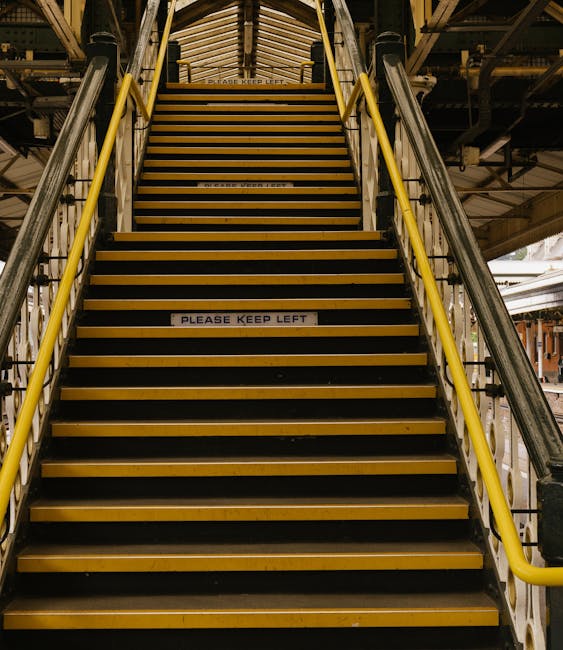
Why Large item removals in Islington stair and lift access problems Matters
Islington has a lot of character, and that character often comes with older buildings, split-level flats, converted houses, and staircases that feel like they were designed by someone who had never seen a wardrobe. Lovely neighbourhood, tricky access. Let's be honest, that combination catches people out all the time.
Large items need room to move safely. A heavy sofa on a stairwell is not just awkward; it can scrape walls, chip bannisters, and put the people carrying it at real risk. Lift access helps, but only if the lift is large enough, working reliably, and suitable for the load. In many buildings, it is not a simple yes or no. It is a "maybe, but only if we measure properly and plan for the corners".
That matters because a failed move is expensive in all the wrong ways. You may face extra labour time, missed time slots, rescheduling, and the stress of moving a large item by hand after already assuming the lift would do the job. A few minutes checking access can save an hour of frustration. Or more.
There is also the human side. People are often moving after a sale, before a tenancy deadline, or on a packed weekend when every minute counts. If you are also juggling keys, neighbours, parking, and building rules, access stops being a small detail and becomes the thing that decides how calm the day feels. For related local moving advice, you may also find our Upper Street tight-access removals guide useful.
How Large item removals in Islington stair and lift access problems Works
In practice, a successful large-item move is built around assessment. Before anyone lifts a thing, the mover needs to know three basics: the item, the route, and the risks.
First, the item. Dimensions matter more than guesses. A chaise sofa, a king-size mattress, and a glass-fronted cabinet may all be "big", but they behave very differently in a stairwell. Weight, shape, handles, detachable parts, and fragility all affect how they should be moved.
Second, the route. This means stair width, landing size, ceiling height, lift dimensions, door swings, corridor bottlenecks, and any awkward turns from hallway to street. In Islington, the real obstacle is often not the stairs themselves. It is the twist halfway down them, or the front door that opens only so far before meeting a banister.
Third, the risks. These include wall damage, item damage, personal injury, and timing problems. A narrow lift may technically fit the item upright, but if the item needs to tilt, the ceiling clearance may suddenly disappear. A staircase may look manageable until the movers realise the bannister blocks the angle needed to pivot the item.
Good movers will often test the route before committing. That can mean a quick walkthrough, checking measurements, and deciding whether to remove feet, doors, shelves, or cushions. Sometimes the smartest move is not to force the item through at all. It may need a different carry method, extra people, or temporary disassembly.
For flats and apartments, access planning is especially important. If your move involves a flat with multiple large items, our flat removals in Islington page is a useful companion read.
Key Benefits and Practical Advantages
When access is planned properly, the whole move feels smoother. That sounds obvious, but the difference is bigger than most people expect.
- Less risk of damage: Proper measurements and the right carrying method protect walls, doors, bannisters, and the item itself.
- Faster loading and unloading: Once the route is mapped, the team can move with confidence rather than stopping at every landing to rethink the angle.
- Lower stress on the day: Nobody likes finding out the lift is too small after the item is already in the lobby.
- Better crew safety: Safe handling reduces strain, slips, and overreaching on stairs.
- More accurate quoting: If access problems are clear from the start, the job can be priced and scheduled more realistically.
There is also an emotional benefit that is easy to underestimate. Once the awkward item is dealt with, everything else feels easier. A sofa through a tight stairwell is the kind of victory that makes the rest of the move seem strangely manageable. Tiny win, big morale boost.
For bigger or more specialised items, such as antiques or pianos, it can be wise to use a dedicated service. Our piano removals in Islington page covers a good example of how careful handling changes the entire approach.
Who This Is For and When It Makes Sense
This kind of planning is useful for a lot of people, not just those moving from top-floor flats. In our experience, the most common cases include:
- people moving furniture into or out of converted Victorian or Georgian properties
- tenants and landlords arranging a flat move with bulky household items
- buyers and sellers moving furniture around a completion date
- students with large desks, beds, and wardrobes in compact buildings
- office teams moving heavy desks, chairs, and filing units
- anyone buying a used item from someone else's flat, especially if lift access is uncertain
It makes particular sense when the item is heavy, awkward, or too valuable to improvise with. If you are debating whether a small or flexible team will do the job, look at the wider service fit too. A man and van in Islington arrangement can be ideal for smaller loads, while larger, more delicate jobs may need a fuller removals setup. The point is not to overbook. It is to match the service to the access.
If you are a student moving into a high-up flat or one of those places where the stairwell seems to get narrower after the first flight, the same logic applies. That is why student removals in Islington can be worth thinking about early rather than leaving it to the last minute.
Step-by-Step Guidance
Here is the practical way to tackle large item removals when stairs and lifts are part of the picture.
- Measure the item properly. Measure height, width, depth, and any protruding parts such as handles, feet, armrests, or fixed shelves. If it folds, reclines, or dismantles, note that too.
- Measure the route. Check stair width, landing depth, door frames, lift interior size, lift door width, and turning space at the bottom and top of stairs.
- Check the lift rules. Some lifts have weight limits or restrictions on loading. Even when the item physically fits, the lift may not be suitable for bulky furniture.
- Identify awkward points. Look for tight corners, radiators, wall-mounted fixtures, low ceilings, and glass panels that could snag or strike.
- Decide whether disassembly is needed. Removing legs, headboards, or shelving can make a huge difference. A few screws now can save a lot of swearing later.
- Plan protection. Use blankets, edge protectors, floor runners, and door protection where needed.
- Confirm parking and entry access. Even a perfect staircase plan is less helpful if the vehicle is parked too far away.
- Brief everyone before lifting. One person should lead the carry, call turns, and stop the move if the route no longer feels safe.
- Leave some time cushion. Access jobs nearly always take longer than you first think, especially in older buildings.
If the job is time-sensitive, such as a same-day collection or a completion-day delivery, tight planning becomes even more important. Delays are common when access is not checked early, so it can help to read our advice on avoiding same-day moving delays in Islington.
Expert Tips for Better Results
A few small choices can make a surprisingly large difference. None of these are flashy, but they work.
- Take photos of the route. A quick phone photo of the stairwell, lift, and item can help the removal team judge the job before they arrive.
- Remove packaging early. Cardboard sleeves and loose wrapping can make items bulkier than they really are.
- Empty the furniture. A wardrobe or chest of drawers is much easier to move when it is not full of books, clothes, or other heavy bits.
- Protect corners first. The first scrape usually happens at the tightest turning point, not in the open space.
- Use the right number of people. Two people is fine for some items. Four may be safer for others. There is no prize for underestimating it.
- Keep the route clear. Shoes, plants, prams, recycling bins, and open doors tend to appear at exactly the wrong moment.
Here is a small but useful rule: if you can only move the item by leaning it hard to one side, it probably needs a second look. Straightforward routes should feel controlled, not like a group improv exercise.
For more on handling larger household pieces, our furniture removals in Islington page offers a sensible next step.

Common Mistakes to Avoid
Most problems with stair and lift access are avoidable. The mistakes are usually the same ones, which is a bit annoying but also helpful because they are easy to spot once you know them.
- Guessing dimensions. "It should fit" is not a measurement.
- Assuming the lift is usable. Some lifts are too small, too slow, or too restricted for bulky items.
- Forgetting about the turning circle. An item may fit in a straight line but fail completely at the landing.
- Leaving disassembly too late. If a bed frame needs stripping down, do it before the team is standing in the hallway.
- Ignoring building rules. Some blocks need booked lift use or protection for shared areas.
- Not accounting for other residents. A busy building with people coming and going can slow things down and make carrying more awkward.
A subtle one is overconfidence after one successful move. Just because a wardrobe got down one staircase once does not mean the same route will work with a different sofa. Different shape, different balance, different headache.
If you want to avoid surprise costs and awkward day-of changes, it is also worth reading what to check for hidden removals fees before booking.
Tools, Resources and Recommendations
You do not need specialist kit for every move, but the right tools make access jobs far less risky.
| Tool or resource | Why it helps | Best used for |
|---|---|---|
| Measuring tape | Confirms item size and access width | Planning lifts, stairs, and door frames |
| Furniture blankets | Protects finishes and painted surfaces | Sofas, tables, cabinets, wardrobes |
| Corner guards / edge protection | Reduces wall and frame damage | Tight landings and doorway turns |
| Straps and trolleys | Improves grip and load control | Heavier items or longer carries |
| Basic screwdriver or hex keys | Useful for quick dismantling | Beds, desks, modular furniture |
| Photos of access points | Helps assessment before arrival | Remote quoting and planning |
If you are still deciding what kind of support you need, our broader services overview can help you compare the moving options without getting lost in jargon.
In some cases, storage is part of the solution. If the item will not fit today but needs to move soon, a short pause can simplify everything. That is where storage in Islington becomes genuinely useful rather than just a nice idea.
Law, Compliance, Standards, or Best Practice
For most household moves, there is no dramatic legal framework to wrestle with, but there are still important duties and sensible standards. The main one is simple: the move should be carried out safely, without putting workers, residents, or property at unnecessary risk.
In UK practice, good movers are expected to think about manual handling, safe lifting, damage prevention, and the building environment. That means planning the carry, using enough people, avoiding unsafe twisting, and stopping if a route becomes too risky. It also means respecting shared spaces, lift rules, and building access arrangements.
If the property is a managed block, there may be local building requirements around lift use, protective coverings, quiet hours, or booking the service lift in advance. Those details are often set by the building, not by the moving company, so it is worth checking them early. If you are moving as part of a sale or purchase, timing can also be influenced by your wider home-moving chain; our selling homes in Islington guide may help you think through the timing side of things.
Trust and safety matter beyond the move itself too. If you are choosing a company, it is reasonable to look for clear handling practices, sensible communication, and transparent terms. For peace of mind, you can also review the company's published approach to insurance and safety before booking.
Options, Methods, or Comparison Table
Not every access issue needs the same solution. Sometimes stairs are fine, sometimes a lift is best, and sometimes the job needs a more flexible setup. Here is a simple comparison.
| Method | Best for | Strengths | Watch-outs |
|---|---|---|---|
| Stair carry | Items that are narrow, sturdy, and manageable by hand | Works when lifts are too small or unavailable | Higher physical strain, more risk on tight turns |
| Lift carry | Items that fit within the lift dimensions and weight limits | Often faster and less physically demanding | May fail if doors, ceiling height, or angles are awkward |
| Partial dismantling | Bulky furniture with removable parts | Can turn an impossible move into a simple one | Needs time, tools, and care with fixings |
| Team-based carry with protection | Heavy or valuable large items | Good control and better protection of property | Requires coordination and enough space to work safely |
For smaller removals where access is still the main issue, a flexible option can be more efficient. You might look at man with a van in Islington or man and a van in Islington depending on the load size and the amount of help needed. The right choice usually comes down to how awkward the item is, not just how heavy it sounds on paper.
Case Study or Real-World Example
Picture a typical Islington flat move on a weekday morning. A family is taking a three-seater sofa and a large wardrobe out of a second-floor flat in a converted building. The lift exists, but it is narrow, and the wardrobe does not quite rotate properly inside it. The stairwell is usable, but there is a tight half-landing bend and a front door that only opens to a certain angle before meeting the wall.
On the first look, the wardrobe seems to be the problem. In the end, the sofa is actually the trickiest item because of its depth and the way the armrest catches on the banister. The team removes the sofa feet, wraps the armrest corners, and carries it with one person leading at the lower end and one controlling the top. The wardrobe is partially dismantled, which takes ten minutes and prevents a much longer struggle. The job still takes time, but not chaos.
The key lesson is not that all awkward items need heroic effort. Quite the opposite. A small adjustment, made early, often beats brute force every time. And once the first bulky item is safely out, everybody starts breathing a little easier. You can almost hear the building settle back down.
Practical Checklist
Use this checklist before move day. It is simple, but it catches the common problems.
- Measure the item fully, including feet, handles, and removable parts
- Measure stair widths, landings, door frames, and lift dimensions
- Check whether the lift is working and whether there are any restrictions
- Confirm any booking requirements for communal lifts or access areas
- Decide which furniture needs dismantling in advance
- Clear corridors, hallways, and entry points
- Protect walls, floors, and corners with suitable coverings
- Arrange parking close enough for safe loading and unloading
- Tell the movers about fragile items, awkward shapes, or heavy bases
- Build in extra time for delays, especially in older buildings
- Have a backup plan if the lift cannot be used
- Keep keys, contact details, and building instructions ready
Get a free quote today and see how much you can save.
Conclusion
Large item removals in Islington stair and lift access problems are rarely difficult because of one huge obstacle. More often, they are difficult because of lots of small ones adding up at once: a narrow landing, a lift that is technically there but not practical, a door that opens the wrong way, a hallway full of echoes and scuffs waiting to happen. It all adds up.
The smart approach is to measure properly, plan the route, choose the right moving method, and leave enough time for the job to be done carefully. That is what keeps the day calm. It also helps protect the furniture, the building, and everyone involved. Truth be told, most move-day headaches are preventable when access gets the attention it deserves.
If you are preparing a bulky move in Islington, take the access checks seriously, and do not be shy about asking for a practical plan. A good move should feel organised, not heroic. Just steady, careful, and done properly. That's the nice version of moving, anyway.