Waste disposal rules Islington for removals and donations
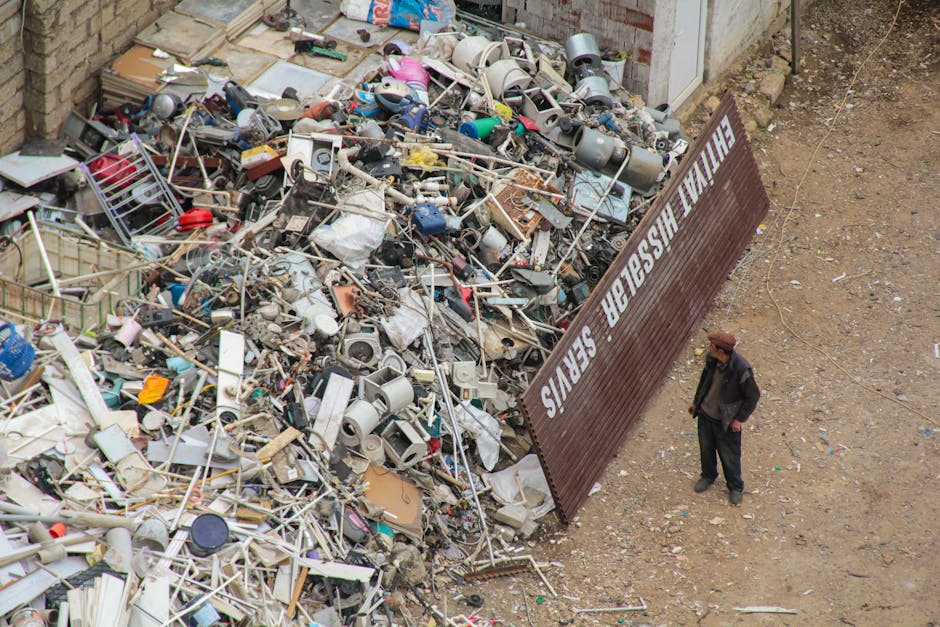
If you are clearing a flat, moving house, or sorting out items for charity, the rules around waste disposal rules Islington for removals and donations can feel oddly specific. And honestly, they are. One sofa can be a donation, a bulky waste item, or a job for a licensed carrier depending on its condition and where it is going. That is the bit people trip over.
This guide breaks everything down in plain English. You will see how removals and donations usually work in Islington, what counts as reusable, what needs responsible disposal, and how to avoid the common mistakes that lead to delays, extra costs, or a messy hallway full of stuff you thought had already been sorted. Truth be told, a bit of planning saves a lot of faff later.
Whether you are emptying a family home, moving out of a flat with tight stairwells, or trying to keep usable furniture out of landfill, the aim here is simple: help you make the right call, first time.
- Jump to: why this matters
- Jump to: how it works
- Jump to: benefits
- Jump to: who needs this
- Jump to: step-by-step guidance
- Jump to: expert tips
- Jump to: common mistakes
- Jump to: tools and resources
- Jump to: law and best practice
- Jump to: options and comparison
- Jump to: real-world example
- Jump to: practical checklist
- Jump to: conclusion
- Jump to: frequently asked questions
Why Waste disposal rules Islington for removals and donations Matters
Waste rules are not just paperwork in the background. In Islington, as in the rest of London, they shape how you move items safely, legally, and efficiently. If you put the wrong thing in the wrong stream, you may end up with rejected collections, avoidable charges, or items left behind on moving day. Nobody wants that when the van is already outside and the lift is booked for twenty minutes.
For removals, the challenge is that every item has a different destination. A bookcase might be sold, a mattress may need special handling, a broken bedside lamp may be waste, and an almost-new dining chair could be a donation. The rules matter because each route has different expectations around sorting, safety, and responsibility.
There is also a local angle. Narrow streets, controlled parking, shared entrances, and busy block management rules all make it more important to have a clear plan. If you are in a top-floor flat near the station or on a road where access is tight, the last thing you want is a pile-up of items waiting for a decision.
Practical takeaway: in removals and donations, the best outcome is rarely "take everything and hope for the best." It is usually "sort once, separate clearly, and send each item to the right place."
How Waste disposal rules Islington for removals and donations Works
The basic process is simpler than people expect. First, you identify what is staying, what is being moved, what can be donated, and what is genuine waste. Then you decide how each category should be handled. That sounds obvious, but the tricky part is recognising the difference between reusable goods and waste that needs proper disposal.
1) Start with condition, not sentiment
Ask whether the item is clean, safe, complete, and useful enough for another person. If it is missing key parts, heavily worn, damaged beyond normal use, or unsafe to lift, it is more likely to belong in the waste stream. If it still has life left in it, donation may be the better route. You do not need perfection, but you do need honesty. That old armchair with one faded cushion may still be fine; the one with broken springs and a smell that has become part of the furniture, not so much.
2) Separate materials early
Different materials often need different handling. Wood, textiles, electrical items, mattresses, metal frames, and mixed household rubbish are not all treated the same way. During removals, keeping them separate saves time and reduces the risk of contaminated loads. It also makes it easier to spot what can be reused.
3) Match the item to the right route
In practice, items usually fall into one of four routes:
- Reuse or donation for suitable furniture, homeware, clothing, and other usable goods.
- Removal and resale for items with value or demand.
- Responsible recycling for materials that can be recovered and processed.
- Waste disposal for broken, contaminated, or unusable items.
This is where a professional removals team can help. A good team does not just lift and load. They help you sort, protect reusable items, and avoid wasteful disposal where donation would be more sensible.
4) Make the handover clean
Donation organisations usually prefer items that are ready to use or easy to clean. That means no loose screws in the drawer, no half-full boxes of bits and pieces, and no "we think it still works" surprises. A tidy handover is kinder to the receiving charity and less stressful for you.
If you need help moving the goods themselves, services such as furniture removals or a flexible man with van option can make the process much easier, especially for bulky items or awkward building access.
Key Benefits and Practical Advantages
Doing this properly is not just about compliance. There are some very real advantages, and you notice them quickly.
Less waste, lower stress
When items are sorted correctly before the move, you avoid the classic moving-day scramble. The donation bags are ready, the waste is separated, and the van is not playing Tetris with half-sorted belongings. Small win, big relief.
Better chance of reuse
Many items that people casually call "rubbish" are still usable. A decent coffee table, a nearly-new lamp, or a clean dining chair can often be passed on. Reuse is usually better than disposal when the item is still functional. That is common sense, really, but common sense can disappear on a packing day.
Cleaner compliance
Using the right process helps you avoid problems around illegal dumping, unsafe handling, or sending restricted items in an unsuitable way. This is especially important if your removals include electricals, paint, batteries, or large furniture.
More efficient removals
Sorting before collection makes the whole job smoother. A team can load faster when donation items are grouped together and waste is already identified. That can save time, and in some cases reduce the need for multiple trips.
Better social value
Donating usable items supports local reuse and helps others furnish homes affordably. In a city where moving costs add up quickly, that matters. A good-quality table that no longer fits your new place may still be very useful to someone else.
| Option | Best for | Main benefit | Watch out for |
|---|---|---|---|
| Donation | Usable furniture, homeware, clothing | Extends item life and reduces waste | Items should be clean, safe, and complete |
| Recycling | Recoverable materials and selected items | Supports material recovery | Not every item can be recycled in the same way |
| Disposal | Broken, contaminated, or unusable goods | Removes waste responsibly | May require special handling for some items |
Who This Is For and When It Makes Sense
This topic matters to a wide range of people, not just those doing a full house clearance. If you are moving within Islington, clearing a rental, helping a relative downsize, or donating furniture after a renovation, you are likely dealing with some version of the same decision tree.
It is especially useful if you are:
- leaving a flat with limited lift access or strict building rules;
- sorting belongings after a long tenancy;
- preparing a family home for sale;
- trying to donate good-quality furniture instead of discarding it;
- moving office contents and separating surplus items from waste;
- needing a same-week tidy-up before handover.
For renters, there is often added pressure because you want the place left in good order. For homeowners, the challenge is usually volume. For students or sharers, it is often a mix of time pressure and "who owns which chair?" which, let's be honest, can become a surprisingly serious debate.
If the move includes a lot of packing, it can help to look at packing and boxes or packing and unpacking services so donation and disposal sorting happens alongside the rest of the move, not as an afterthought.
Step-by-Step Guidance
Here is a practical way to handle removals and donations without making the process feel larger than it needs to be.
Step 1: Make three clear piles
- Keep - items going to the new property.
- Donate or reuse - usable items that another person can benefit from.
- Dispose or recycle - broken, unsafe, or unwanted items that are no longer fit for use.
Do this room by room. It is much easier than sorting the whole house at once, and it keeps the decisions manageable.
Step 2: Check condition carefully
Be strict but fair. Would you happily give the item to a friend? Would you put it in someone else's home? If the answer is no, it probably should not be donated.
Step 3: Identify special items
Some things need extra attention: electrical goods, mattresses, large wardrobes, mirrors, paint, cleaners, and anything with batteries. These items can be awkward or restricted depending on their type and condition. If in doubt, treat them separately instead of mixing them with general waste.
Step 4: Measure access
Before collection day, check door widths, stair turns, lift size, parking access, and any building rules. A huge amount of moving stress comes from access, not weight. It is one thing to own a lovely solid oak dresser; it is another thing entirely to get it around a sharp corner in a Victorian stairwell.
Step 5: Book the right transport
A small load may suit a lighter vehicle, while heavier or bulky loads may need a larger removal truck. If you need a dedicated vehicle, removal truck hire or a removal van can be the cleaner option. For larger home moves, house removals is usually the better fit.
Step 6: Hand over donations neatly
Bag smaller items, tape boxes properly, and keep donation goods dry and visible. A charity or reuse route is far more likely to accept items that are prepared thoughtfully. If you are offering bulky pieces, a coordinated furniture pick up can simplify the handover.
Step 7: Dispose of the remainder responsibly
Once donation and reuse items are removed, the rest can be handled as waste or recycling. Keep the load as clean as you can. Mixed rubbish is harder to process, and contaminated loads are more troublesome all round.
Expert Tips for Better Results
In our experience, the best results come from a few habits that sound small but make the day feel calmer.
- Sort two days before the move, not two hours before. Last-minute decisions are how good items end up in the wrong pile.
- Keep donation items visibly separate. Use a different room or corner if you can.
- Photograph larger items. It helps if you are checking condition, planning lifting, or arranging a pickup.
- Use labels. Simple notes like "donate," "waste," and "keep" stop confusion when several people are helping.
- Protect reusable items. A blanket over a chair or cardboard around a table can prevent a good item from arriving damaged.
- Check building rules early. Some blocks have loading restrictions, lift booking systems, or noise limits.
Here is one practical tip people often overlook: if an item is borderline, decide before it is carried downstairs. Once it is in the van or on the pavement, the decision gets harder and more expensive. The house suddenly looks emptier, the room suddenly looks bigger, and you realise you are now committed. Been there, seen it.
Also, keep a small bag for "stray bits" such as screws, remotes, chargers, and cables. These tiny things seem harmless until they are rolling under the sofa or sitting in the wrong box. A bit annoying, that.
Common Mistakes to Avoid
Most problems in removals and donations are not dramatic. They are just inconvenient, avoidable, and strangely easy to repeat.
Mixing donation and waste
This is the big one. A charity or reuse route may reject the load if it includes damaged or dirty items. Keep donations clean and clearly separate.
Assuming all furniture is reusable
It is tempting to believe every item deserves a second life. Sometimes it does not. If it is unstable, badly stained, broken, or unsafe, it should not be passed on as a donation.
Ignoring special handling
Mattresses, electricals, and bulky items often need more care than a bag of general rubbish. If you overlook that, you can create delays or unnecessary handling costs.
Leaving sorting until the van arrives
That is how moving day becomes a scavenger hunt. It is better to sort while there is still time to think.
Forgetting access and parking
In Islington, access can be the real issue. If the vehicle cannot stop close enough, or if the building has restrictions, the whole schedule can drift.
Trying to donate too much at once without checking readiness
A charity will not always take every item you offer. Some organisations prefer specific categories and a certain standard of condition. If you are not sure, plan for a fallback route rather than assuming everything will be accepted.
Tools, Resources and Recommendations
You do not need fancy tools, but a few basic things make a big difference.
- Strong marker pens for labels and box notes.
- Reusable bags and boxes for donation goods.
- Blankets, wrap, and straps to protect furniture in transit.
- A checklist for room-by-room sorting.
- Phone camera for quick reference photos of items or room layouts.
For broader moving support, it can help to review removal services if you want one team to manage the practical lifting and transport. If your move is simple and you only have a few items, same-day removals may be useful when time is tight. For students or lighter loads, student removals can be a sensible fit.
If you are trying to reduce waste overall, the page on recycling and sustainability is also worth a look. It sits nicely alongside donation planning because the two often overlap in real life.
And if you want to compare prices before making a decision, the pricing and quotes page can help you understand what to ask for. Not all quotes are equal, and the cheapest one is not always the one that lands best on moving day.
Law, Compliance, Standards, or Best Practice
When removals and donations involve waste, the safest approach is to follow the relevant UK expectations for responsible waste handling and use reputable operators. In practical terms, that means checking that waste is handled lawfully, items are not fly-tipped, and anything that should be recycled or specially treated is not dumped into general refuse without thought.
You do not need to become a compliance expert to get this right. But there are a few sensible principles to keep in mind:
- Use responsible carriers for waste that is being taken away.
- Keep clear records of what is being donated, moved, or disposed of, especially for larger clearances.
- Do not hand over damaged or unsafe items as if they were reusable if they are not.
- Be cautious with electricals, batteries, and other specialist items.
- Follow property rules for access, loading, and collection times.
If you are arranging a commercial move, more of this matters than people think. Office furniture, IT equipment, archive materials, and mixed waste all need sensible categorisation. For that, office removals or commercial moves may be the right starting point, with extra attention on insurance, chain of custody, and disposal planning.
There is also a safety angle. A move is not the place to guess at lifting technique or load limits. A decent removals team will have its own health and safety controls, and you can review health and safety policy and insurance and safety information if you want reassurance before booking. That sort of thing is not glamorous, but it matters more than people admit.
Options, Methods, or Comparison Table
If you are deciding how to handle items during a move, it helps to compare the main approaches side by side. There is no single best method for every home, but there is usually a best method for each item.
| Method | When it works best | Pros | Cons |
|---|---|---|---|
| Donate | Clean, complete, usable goods | Useful, ethical, often quick | Not all items are accepted |
| Reuse through sale | Items with value and time to sell | Can recover money | Takes time and effort |
| Professional removal | Bulky or heavy household contents | Reduces strain and speeds up the move | Costs more than DIY |
| DIY disposal | Small volumes and easy access | Flexible | Time-consuming and physically demanding |
| Special handling | Items like mattresses, electricals, or fragile goods | Safer and more suitable for awkward loads | May need extra planning |
For many households, the best answer is a mix of methods. One sofa gets donated, a broken desk gets disposed of, the dining set gets moved, and the spare shelves get stored. That is normal. In fact, it is usually the smartest option.
Case Study or Real-World Example
Picture a one-bedroom flat off a busy Islington street. The tenant is moving out on Friday, the tenancy ends on Saturday morning, and the flat still contains a wardrobe, a small sofa, two chairs, boxes of books, a broken lamp, and a pile of kitchen bits that have somehow multiplied in the cupboard. Classic.
The first step is sorting. The sofa and chairs are still usable and clean, so they are marked for donation. The lamp is electrical and no longer works, so it goes into the disposal pile. The wardrobe is too large for the new flat but still in good shape, so it is earmarked for removal and possible reuse. The books are boxed and kept. Small kitchen items are divided into keep, donate, and dispose.
Then comes access. The team checks stair width, parking, and whether the lift can take the wardrobe panels. Donation items are wrapped lightly to protect corners. Waste is bagged separately. The result is a smoother loading process, fewer back-and-forth decisions, and a flat that can be handed back on time without that horrible last-minute panic where everyone starts looking at the same pile in silence.
The useful bit here is not the exact furniture. It is the method. A little structure turns a chaotic move into something far more manageable, and that is often the difference between a stressful afternoon and a fairly ordinary one.
Practical Checklist
Use this checklist before collection or moving day.
- Sort items into keep, donate, recycle, and waste.
- Check that donation items are clean, complete, and safe.
- Separate electricals, batteries, and fragile items.
- Measure large furniture and check access routes.
- Book parking or loading space if needed.
- Label boxes and bags clearly.
- Protect reusable furniture with covers or blankets.
- Keep important documents and valuables aside.
- Confirm which items your chosen service will take.
- Review any building rules for collection times or lift use.
- Have a fallback plan for items that are declined for donation.
If you can tick most of that off, you are in a much better place than most people on moving week. That alone is worth the five minutes it takes.
Conclusion
Getting waste disposal rules Islington for removals and donations right is really about making sensible choices early. The cleaner your sorting, the easier your move becomes. Usable items can be passed on, unusable ones can be dealt with responsibly, and you avoid the nagging feeling that something has been left unresolved.
The best approach is simple: assess condition honestly, separate items properly, respect access and safety, and choose a removal method that fits the load rather than forcing everything into one plan. Once you do that, the whole process feels lighter. Not effortless, because moving never is, but lighter.
Get a free quote today and see how much you can save.
And if you are staring at a room full of boxes and half-decided furniture right now, take a breath. Start with one corner, one bag, one decision. That is usually how it gets done.
Frequently Asked Questions
What counts as a donation rather than waste in Islington removals?
Anything clean, safe, and still useful may be suitable for donation, provided the receiving organisation accepts it. If an item is broken, dirty, unsafe, or incomplete, it is usually better treated as waste or recycling instead.
Can movers take both donations and rubbish in the same job?
Often, yes, but only if the load is organised clearly. It helps to separate donation items from waste before collection so the team can handle each group properly and avoid confusion on the day.
Do I need to clean items before donating them?
Usually, yes. A light clean makes a big difference. You do not need to make every item showroom perfect, but donation goods should be presentable, dry, and free from obvious damage or dirt.
What happens if a charity refuses an item?
That depends on the item and the arrangement you have made. It is wise to have a backup plan for anything borderline, because not every organisation can accept every item, even if it still looks usable to you.
Are mattresses treated differently from regular furniture?
They often are. Mattresses can be harder to reuse and may need specific disposal or recycling handling. If yours is stained, damaged, or heavily worn, it is usually not suitable for donation.
How do I know whether an electrical item can be donated?
Only donate it if it works properly, is safe, and is complete with any parts needed for normal use. If there is any doubt about safety or operation, keep it out of the donation pile.
Is it cheaper to donate items or dispose of them?
It can be, depending on the item and the service used. Donation itself may be free, but you may still need transport or removal help. Disposal costs vary by volume, item type, and access conditions.
What should I do with damaged furniture?
If it cannot be repaired easily and is not safe or suitable for reuse, it should be treated as waste or recycling rather than donation. Broken furniture is one of those things that looks manageable until you try to carry it downstairs.
Can I leave unwanted items on the pavement for collection?
Not unless you have arranged a proper collection and the items are being handled responsibly. Leaving items out without a plan can create problems, and in the worst case it may be treated as illegal dumping.
What if I am moving from a flat with very limited access?
Then access planning becomes just as important as sorting. Measure doors, check stair turns, and confirm parking or loading space early. If the access is tight, a smaller vehicle or a more flexible removal plan may be the better choice.
Do office moves follow the same donation and disposal logic?
The same general idea applies, but commercial items often need more care around records, electronics, and security. Office furniture and equipment should be sorted carefully so reusable items, waste, and data-sensitive materials do not get mixed together.
What is the safest first step if I feel overwhelmed?
Start with one room and one category. Keep, donate, and dispose are enough to begin with. Once the first pile is sorted, the rest usually feels less intimidating, which is reassuring when the move is already looming.